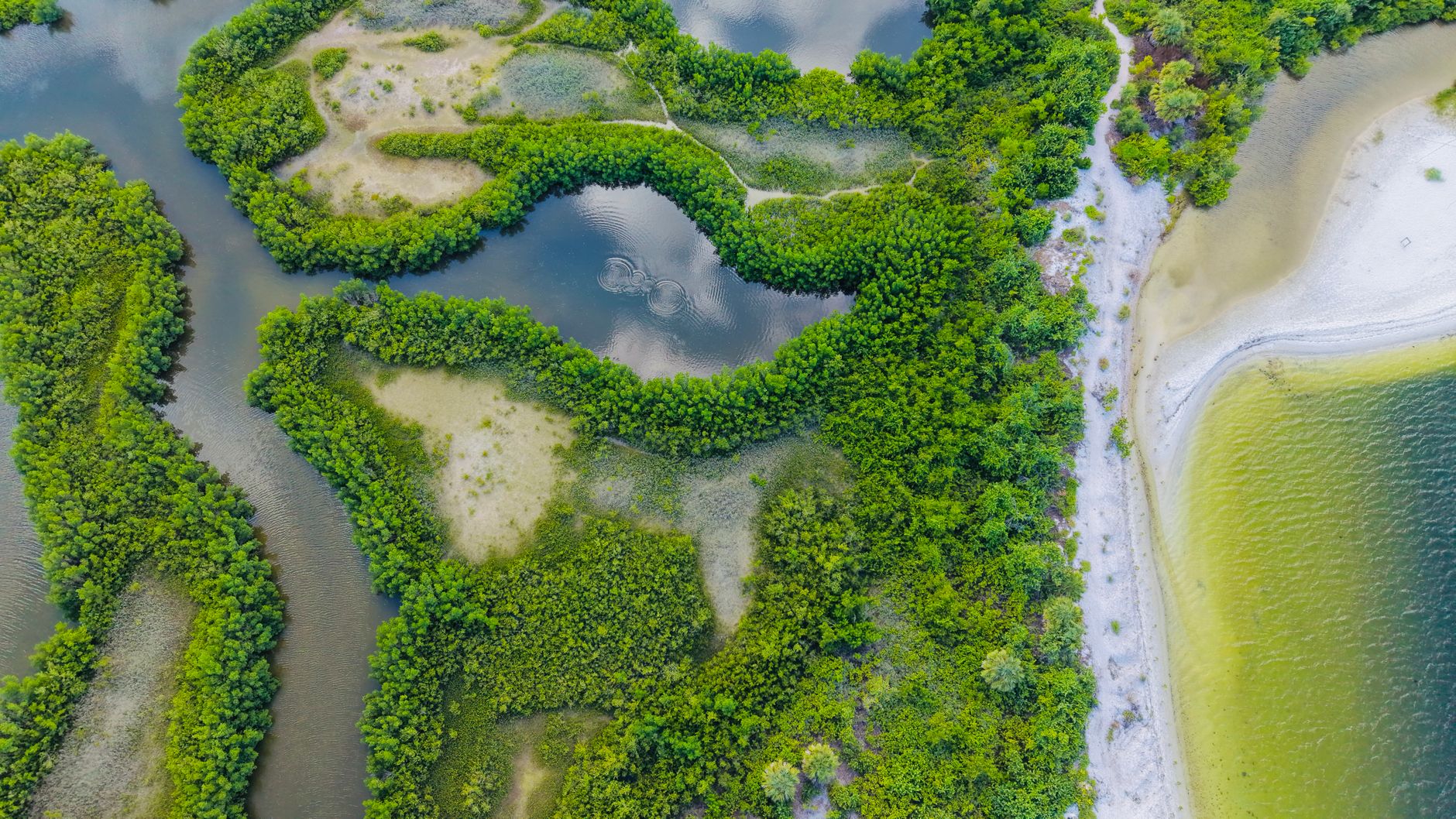
Florida's Wetlands Protected: Court Ruling Draws Cheers from Wildlife Advocates
In a significant victory for environmentalists, a Florida court has upheld critical protections for the state's wetlands, a decision that advocates claim is essential for preserving biodiversity and combating climate change. This ruling comes amid growing concerns about the impact of development on Florida's unique ecosystems and has reignited discussions on the balance between economic growth and environmental stewardship.
A Landmark Decision
On Wednesday, the court ruled against a controversial development project that threatened to drain and fill a section of wetlands in South Florida. The project, which was proposed by a private developer, faced intense scrutiny from local wildlife advocates and environmental groups. According to court documents, the proposed site is home to various species of flora and fauna, some of which are protected under state and federal law.
Related: Ultra Music Festival Wraps Up in Miami with Nine Arrests Amidst Safety Concerns
Legal Arguments and Environmental Impact
The legal battle centered around the implications of the project on the Everglades ecosystem, which is vital to Florida’s water supply and wildlife. During the proceedings, environmentalists argued that the destruction of wetlands would lead to increased flooding, loss of habitat, and degradation of water quality. The court's decision reflects an increasing recognition of the importance of wetlands in mitigating climate impacts and preserving biodiversity.
Related: Florida Enacts 'Missy's Law' to Strengthen Child Protection Efforts
Community Reactions
The ruling has been met with enthusiasm from local residents and wildlife advocates alike. A spokesperson for a prominent environmental organization stated, "This ruling is a testament to the power of community advocacy and the importance of protecting our natural resources. Florida's wetlands are not just a buffer against storms but also a sanctuary for countless species. We are thrilled that the court recognized this critical need."
Related: Tragic Loss in Fort Myers: Mother Mourning After Fatal Crash Claims Three Lives
Community members have expressed relief that the court has prioritized environmental concerns over short-term economic benefits. Residents of Miami, where development pressure is particularly intense, have long been advocating for stronger protections for wetlands, which serve as natural barriers against flooding and storm surges.
Related: Florida Residents Admit Guilt in Tax Fraud Scheme Targeting Hazleton
The Broader Context
This ruling is part of a broader trend in Florida, where recent years have seen increased legal challenges to development projects that threaten the natural environment. As climate change continues to pose significant challenges to coastal areas, the state is grappling with how to balance development needs with environmental sustainability. Data from state records show that Florida has lost nearly half of its original wetlands, a figure that has prompted urgent calls for stronger protections.
Related: The Rise and Transfer of Olivier Rioux: Florida’s Basketball Prodigy on the Move
What Comes Next?
Looking ahead, this ruling may set a precedent for future legal battles involving wetlands and development in Florida. As state officials reassess existing development plans, environmental advocates are hopeful that this decision will lead to more rigorous protections and a shift in how development is approached in sensitive ecological areas.
Additionally, the ruling may inspire more grassroots activism across the state, as communities realize the power of collective action in influencing environmental policy. Advocates are already planning to mobilize for upcoming local elections, pushing for candidates who prioritize environmental issues.
Why It Matters
The court's decision underscores a growing awareness of the interconnectedness between human activity and environmental health. Florida's wetlands play a crucial role not only in supporting wildlife but also in maintaining the state's unique identity and natural beauty. As the state faces increasing environmental challenges, the outcome of this ruling could inform future policies that prioritize ecological preservation alongside economic development.
In conclusion, as Florida navigates its environmental future, the recent court ruling stands as a beacon of hope for wildlife advocates and community members committed to preserving the state's natural resources. The implications of this decision will resonate far beyond the courtroom, influencing how Florida approaches its development strategies in the years to come.